Cessna 172RG Rear RH Baffle Assembly
Cessna 172RG Rear RH Baffle Assembly
Blog Article
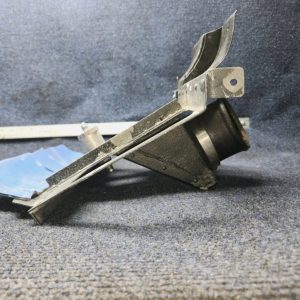
P/N 2455038-2 should be selected only after confirming aircraft serial applicability, engine configuration, mounting geometry, material condition, and included hardware.
The Cessna 172RG Rear Right-Hand Baffle can support airflow management, while the Cessna 172RG Engine Baffle and Cessna 172RG Cooling Baffle descriptions should not imply universal interchangeability.
Whether described as a Cessna Cutlass Engine Baffle, Cessna 172RG Baffle Assembly, Rear RH Engine Baffle, or Aircraft Engine Baffle Assembly, precise configuration verification remains essential.
An Aircraft Cooling Air Baffle may also be marketed as a Cessna 172RG Airflow Baffle when its exact location, orientation, and part number are stated accurately.
The Cessna Aircraft Engine Baffle may provide replacement value when its geometry, mounting points, seals, and material condition remain suitable.
Understanding P/N 2455038-2
Every digit, dash, revision, or associated marking should be recorded because similar-looking baffles can differ in contour, holes, brackets, seals, and eligible applications.
Any alternate number, superseded number, drawing reference, repair marking, or donor-aircraft serial number should remain connected with the component.
How Aircraft Baffles Direct Cooling Air
The component should not be considered an isolated panel because its effectiveness depends on the condition of the complete baffle arrangement.
Engine condition, instrumentation, seals, cowling, operations, and surrounding baffles should be considered during troubleshooting.
Verifying Fitment Before Purchase
The offered assembly should be compared with the removed component, mounting points, adjacent baffles, cowling, and technical illustrations.
Qualified maintenance personnel should determine whether the component is suitable for installation.
Maintaining Original Baffle Geometry
Formed contours help the baffle fit around the engine and connect with surrounding cooling-system components.
The baffle should be supported correctly during storage and shipment to prevent bending.
Inspecting the Cessna 172RG Cooling Baffle
Paint, oil residue, dirt, and old seal material can conceal findings that require closer review.
Unusual waviness or twisted geometry should be measured rather than dismissed as cosmetic.
Baffle Seal Condition and Air Leakage
Old seals may be useful as templates even when they are unsuitable for continued service.
Careful seal fitting supports more consistent cooling-air control.
Corrosion Inspection and Prevention
Professional corrosion treatment helps preserve the remaining baffle within acceptable limits.
Storage components should remain dry, clean, supported, and protected from unsuitable wrapping that traps moisture.
Maintaining Secure Baffle Connections
Fastener holes should be checked for elongation, cracking, burrs, corrosion, double drilling, fretting, and evidence of repeated removal.
Old hardware should not be reused automatically because it fits the existing holes.
Managing Engine Baffle Parts Inventory
A rear-baffle replacement may require adjacent baffles, seals, brackets, clips, fasteners, retainers, supports, and cowling-related components.
Used Cessna 172RG Engine Compartment Parts should be evaluated individually rather than accepted solely because they came from the same donor aircraft.
Baffle-Related Temperature Problems
Temperature sensors and gauges should be evaluated when readings appear inconsistent with other operating evidence.
Maintenance personnel should identify all relevant findings and correct them through appropriate procedures.
Sheet-Metal Cooling Component Restoration
The decision to repair or replace a damaged baffle depends on crack location, corrosion, deformation, missing material, hole condition, previous repairs, and available technical data.
Professional workmanship can extend component value while preserving cooling-system geometry.
Replacement Baffle Purchase Considerations
The commercial value of P/N 2455038-2 depends on verified identity, aircraft applicability, condition, completeness, repair history, seals, brackets, traceability, and included hardware.
The seller should disclose cracks, corrosion, distortion, missing sections, damaged holes, repairs, heat exposure, vibration damage, and storage conditions.
Rear RH Cooling Baffle Condition Checklist
A pre-purchase review should confirm P/N 2455038-2, donor-aircraft details, model get more info and serial applicability, engine configuration, dimensions, material condition, repairs, included seals, brackets, hardware, and documentation.
- Determine whether seal material, retainers, fasteners, clips, brackets, records, or release documents are included.
- Do not treat clean paint, straight appearance, or donor-aircraft history as proof of current serviceability.
- Require packaging that supports the baffle without bending flanges, crushing contours, damaging brackets, scratching finishes, or allowing loose hardware to strike the panel.
Safe Handling of P/N 2455038-2
Professional packaging helps preserve the geometry of the Engine Cooling Baffle Assembly.
Identification tags and records should remain attached or clearly associated with the component.
Professional Engine Baffle Installation
Installation should be completed by appropriately qualified aviation maintenance personnel using applicable aircraft, engine, parts, and maintenance information.
Temporary fitting can help reveal alignment and clearance concerns before final attachment.
Any equipment removed for access should be restored and checked appropriately.
Protecting Aircraft Cooling Components
Small cracks, loose fasteners, failed seals, and finish damage should be evaluated promptly.
Recurring cracks or loose attachments should prompt investigation of vibration, alignment, and supporting hardware.
Selecting a Cessna 172RG Cooling Component
When professionally inspected, fitted, installed, documented, and maintained, the Cessna 172RG Rear RH Baffle Assembly
The baffle should be judged according to complete installation suitability rather than clean appearance, general Cessna similarity, donor-aircraft status, or purchase price alone.
Whether the requirement is a Cessna 172RG Rear Right-Hand Baffle, Cessna 172RG Engine Baffle, Cessna 172RG Cooling Baffle, or Cessna Cutlass Engine Baffle, exact identification should guide the purchase.
With complete evaluation and continued care, the Cessna 172RG Rear RH Baffle Assembly
Report this page